
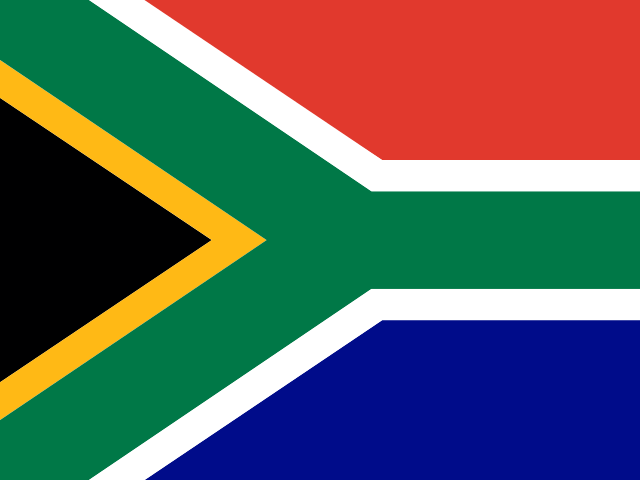
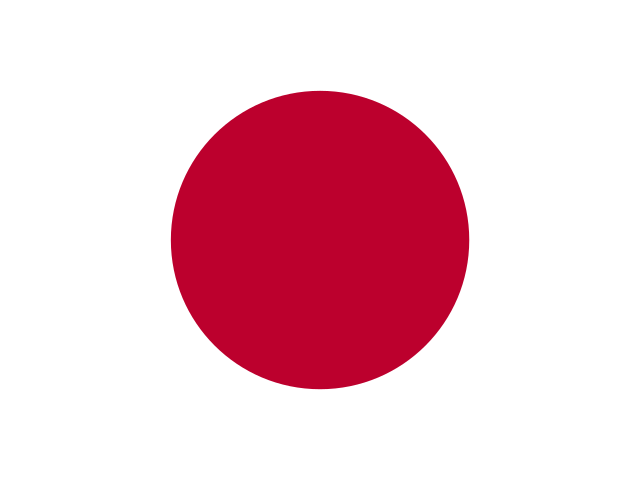
What is a random country flag?
A random country flag is a national flag selected without a predictable pattern from a set of countries. Random selection is useful for two things: discovering flags you have never noticed before, and testing whether you can name a country from its flag alone. This page generates the flag locally in your browser from a dataset of 195 countries.
What is a country flag?
A country flag, also called a national flag, is a piece of fabric or a digital emblem adopted by a sovereign state as its official symbol. It is flown on public buildings, at sea and at international events. The study of flags is called vexillology, and it covers flag history, design and symbolism.
What makes a flag recognisable?
Most national flags are identified by three things: the arrangement of bands or fields, the palette, and any central emblem such as a star, cross, sun or coat of arms. Changing any one of those usually changes the country being represented.
How to identify a country flag
- Start with the layout. Count the bands and note whether they are vertical, horizontal or diagonal. A Nordic cross, a tricolour and a field with a canton are three very different starting points.
- Name the colours in order. Red-white-blue can mean several countries; red-white-blue with a maple leaf does not.
- Look for the emblem. Stars, crescents, suns, shields and animals narrow the field quickly.
- Check the region. The region filter on this page limits the pool so you can practise one part of the world at a time.
- Confirm with the reveal. Use the reveal or the quiz answer to check your guess, then roll again.
Country flags by region
These counts are calculated from the local dataset. Selecting a region filters both the generator and the flashcards.
| Region | Countries in dataset | Action |
|---|---|---|
| Africa | 54 | |
| Asia | 47 | |
| Europe | 45 | |
| Americas | 35 | |
| Oceania | 14 |
Flag colours in the dataset
Each vector flag is reduced to its five most-used fill colours, and those colours are named. The table counts how many of the 195 flags contain each colour. It describes the artwork used on this site, not an official vexillological survey.
| Colour | Flags containing it |
|---|---|
| white | 137 |
| #000001 | 43 |
| red | 15 |
| #CE1126 | 15 |
| #FFFF00 | 13 |
| #FFCC00 | 8 |
| #FCD116 | 7 |
| #009900 | 6 |
| #C8102E | 6 |
| blue | 6 |
Frequently asked questions about random country flags
What is a random country flag?
A random country flag is a national flag chosen without a predictable pattern from the flags of the world's countries. This tool picks one from a local dataset of 195 countries, shows the flag, and lets you reveal the country or guess it in a quiz.
How many country flags does this generator include?
The generator includes 195 countries: 193 UN member states and 2 UN observer states (Palestine and Vatican City). Region counts are calculated directly from the dataset rather than hardcoded.
Can I identify the country from its flag?
Yes. Use the Quiz tab to pick from four country names, or turn on Quiz Mask in the Generator tab and reveal the answer only when you are ready. Your best streak is stored in your own browser.
Are the flag images official versions?
The flags are standardised vector renderings from the open-source flag-icons library. They are intended for identification and learning. The badge on the flag shows the 4:3 display view, not a claim about each country's official proportions.
Is the random country flag quiz free?
Yes. There is no account, no sign-up and no paywall. The quiz, flashcards and daily challenge all run in your browser.
Does the site save my results?
Only locally. Your best streak, recently viewed flags and display preferences are kept in your browser's localStorage. We do not run a user database or a global leaderboard.
Country index and sources
The flashcards tab contains the full index of 195 countries with flags, ISO codes, capitals and currencies. Country facts come from the open-source world-countries dataset and flag artwork from flag-icons; both are credited on the copyright and DMCA page. Corrections can be sent through the contact page.